SEMI and Silicon Catalyst sign global MOU to connect semiconductor startups with industry networks
SEMI and Silicon Catalyst signed a global MOU at SEMICON Taiwan 2026 on 2 September, linking the accelerator's 150+ portfolio companies with SEMI's 4,000-member global network.
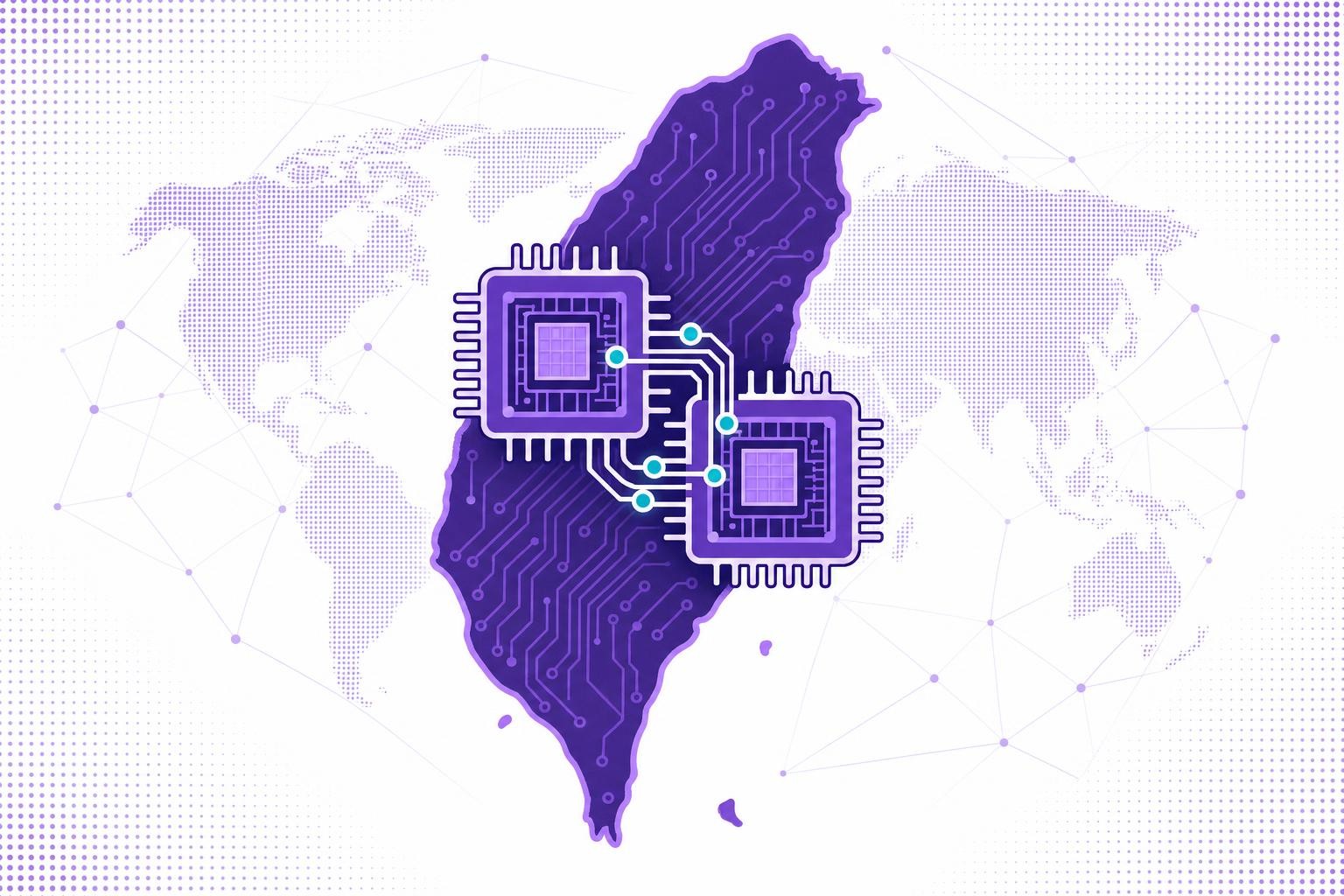
SEMI and Silicon Catalyst signed a memorandum of understanding at SEMICON Taiwan 2026 on 2 September 2026, forming a global strategic partnership to accelerate the commercialization of semiconductor technologies[1]. The agreement gives SEMI's more than 4,000 member companies access to Silicon Catalyst's startup portfolio, while Silicon Catalyst's portfolio companies gain entry to SEMI's worldwide network of investors, manufacturers, and technology partners[1].
What each side brings
The two organizations are complementary in scope. Silicon Catalyst, founded in 2015, is the only accelerator focused exclusively on semiconductor hardware companies[1]. It says it has:
- Engaged with more than 5,000 semiconductor startups worldwide
- Received more than 1,500 applications
- Supported over 150 portfolio companies[1]
SEMI, for its part, connects more than 4,000 member companies and 1.5 million professionals across the electronics design and manufacturing supply chain. The partnership is initially scoped to Taiwan, the Americas, and Europe before expanding across SEMI's wider event network[1].
Startup programs at SEMICON events
The most immediate output of the partnership is a set of co-organized programs at SEMICON exhibitions worldwide[1]. These will include:
- Startup Zones
- Investor and venture engagement programs
- Technology showcases[1]
The first of these, the Silicon Startups Zone, launched at SEMICON Taiwan 2026[1]. Shih-Wei Sun, founding managing director of Silicon Catalyst Ventures - who previously served as CEO of UMC - delivered the opening keynote at SEMICON Taiwan's Venture Day on 4 September, addressing how to accelerate semiconductor startups through a global innovation ecosystem[1].
The AI driver
Both organizations frame the partnership explicitly around AI-era pressures. "Artificial intelligence is reshaping the semiconductor landscape and increasing the speed at which innovation must move," said Ajit Manocha, President and CEO of SEMI[1]. Pete Rodriguez, CEO of Silicon Catalyst, said the combination of the accelerator's startup ecosystem with SEMI's global industry network would "help accelerate the commercialization of breakthrough technologies and create new opportunities for entrepreneurs, investors, and established industry leaders alike"[1].
Terry Tsao, Global Chief Marketing Officer and President of SEMI Taiwan, described Taiwan as having "successfully demonstrated the value of connecting startups, investors, and industry leaders" and said the partnership creates "a scalable model that can be deployed across the SEMI global network."
The model's scalability is the key variable to watch. SEMICON events run across Asia, Europe, and the Americas, and whether the Startup Zone format translates consistently across those markets - and whether it generates measurable deal flow for portfolio companies - will determine how much practical weight the MOU carries beyond its launch in Taipei.
Written by Electronics Insider's automated desk from the sources above and published automatically. How we work.
Related
 Semiconductors
Token spend is becoming a line item in EDA project budgets, DAC roundtable finds
A closed-door DAC 2026 roundtable with Cadence, Synopsys, Siemens EDA, Keysight, and ChipAgents found token cost has moved from an afterthought to a formal budget concern in chip design projects.
10 Sept 2026 Design & EDA
Cadence's Amol Borkar explains why AI voice at the edge demands a rethink of SoC architecture, not just faster processors
Semiconductor Engineering's interview with Cadence's Tensilica DSP lead lays out why NLP is reshaping audio SoC design - and why raw clock speed is the wrong lever to pull.
10 Sept 2026 Design & EDA
French gendarmerie researchers show voltage glitching bypasses eMMC password locks on 3 of 10 commercial parts, with measurable evidence alteration
A paper from France's Institut de Recherche Criminelle quantifies both the success rate and the data-integrity cost of fault-assisted eMMC access in forensic investigations.
10 Sept 2026